Blog

Eco & Social Impact Topics Related Blogs

Park
Blog

Urban Greening: Why Cities Need More Plants

As cities continue to grow and urban spaces expand, the importance of incorporating greenery into our concrete environments has never been more vital. Urban greening — the practice of integrating plants and green spaces into city landscapes — brings a wide range of environmental, social, and health benefits. From reducing air pollution and urban heat to improving mental well-being and biodiversity, plants play a powerful role in transforming lifeless spaces into vibrant, healthier communities. Green rooftops, vertical gardens, tree-lined streets, and community parks not only beautify cities but also help regulate temperature, support pollinators, and create peaceful havens in the midst of urban noise. For both residents and businesses, investing in urban greening is a smart step toward a more sustainable and livable future.

Blog

How Landscaping Helps Fight Climate Change

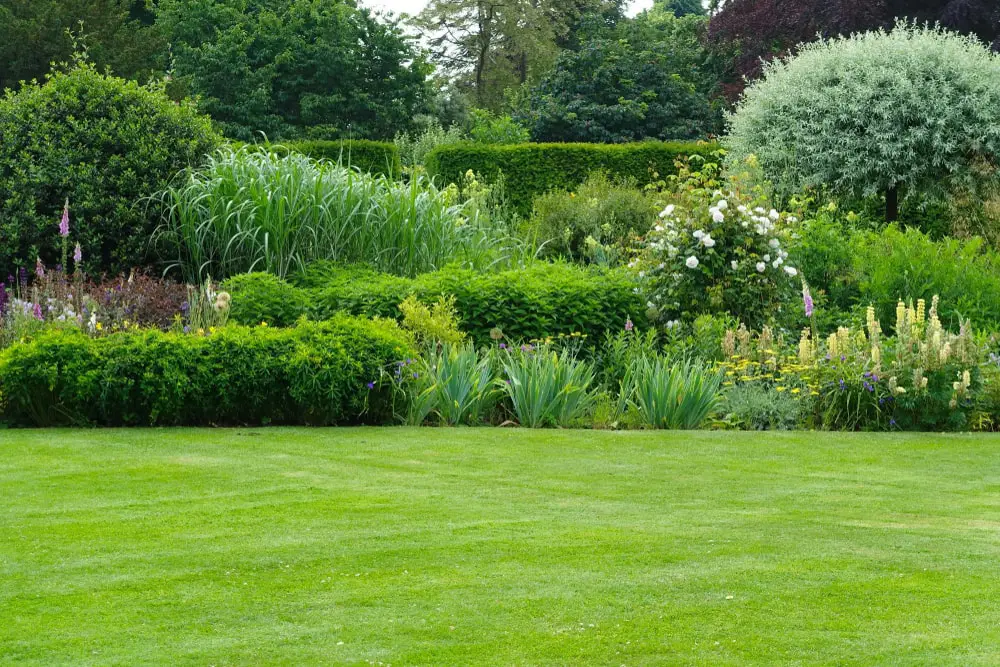
Landscaping is more than just aesthetic—it's a powerful tool in the fight against climate change. Thoughtful landscape design using native plants, trees, and sustainable materials can reduce carbon footprints, conserve water, and improve air quality. Trees and shrubs act as natural carbon sinks by absorbing CO₂, while properly maintained green spaces help lower urban temperatures through shade and evapotranspiration, reducing the need for energy-hungry air conditioning. Incorporating rain gardens, permeable pathways, and drought-tolerant plants also helps manage stormwater runoff and reduces soil erosion. Moreover, reducing lawn size and chemical use supports biodiversity and decreases greenhouse gas emissions from fertilizers and maintenance equipment. By embracing eco-friendly landscaping practices, both homeowners and businesses can contribute meaningfully to climate resilience and environmental sustainability.

Blog

Reducing Your Landscape’s Carbon Footprint

Creating an eco-friendly landscape goes beyond just planting trees—it involves thoughtful design, smart material choices, and sustainable practices. By using native plants, reducing turf areas, installing efficient irrigation systems, and opting for organic fertilizers, you can significantly lower your garden’s carbon footprint. Incorporating composting, mulching, and solar-powered features further enhances sustainability. Whether for residential or commercial properties, eco-conscious landscaping not only helps the environment but also promotes long-term cost savings and healthier outdoor spaces.

Blog

The Role of Green Spaces in Mental Health and Well-being

Green spaces do more than just beautify our surroundings—they play a powerful role in improving mental health and emotional well-being. Studies show that spending time in nature can lower stress levels, reduce anxiety, and boost mood. Whether it's a well-maintained home garden, a lush office courtyard, or a community park, access to greenery helps people feel more relaxed, focused, and connected. Professionally landscaped spaces encourage outdoor activity, social interaction, and moments of peace, making them essential for healthier lifestyles. Investing in green environments is not just an aesthetic choice—it's a step toward mental wellness for individuals and communities alike.

Blog

How Organic Gardening Supports Healthy Soil & Wildlife

Organic gardening nurtures the environment by avoiding synthetic chemicals and focusing on natural processes. By using compost, mulch, and organic fertilizers, it enriches the soil with essential nutrients, improves its structure, and promotes beneficial microbial activity. This healthy soil foundation supports stronger, more resilient plants. Additionally, organic practices create a safe haven for pollinators like bees and butterflies, as well as helpful insects, birds, and soil organisms. By fostering biodiversity and reducing pollution, organic gardening not only produces vibrant landscapes but also contributes to a more balanced and sustainable ecosystem.

Blog

Solar-Powered Landscape Lighting: Bright Ideas for Sustainability

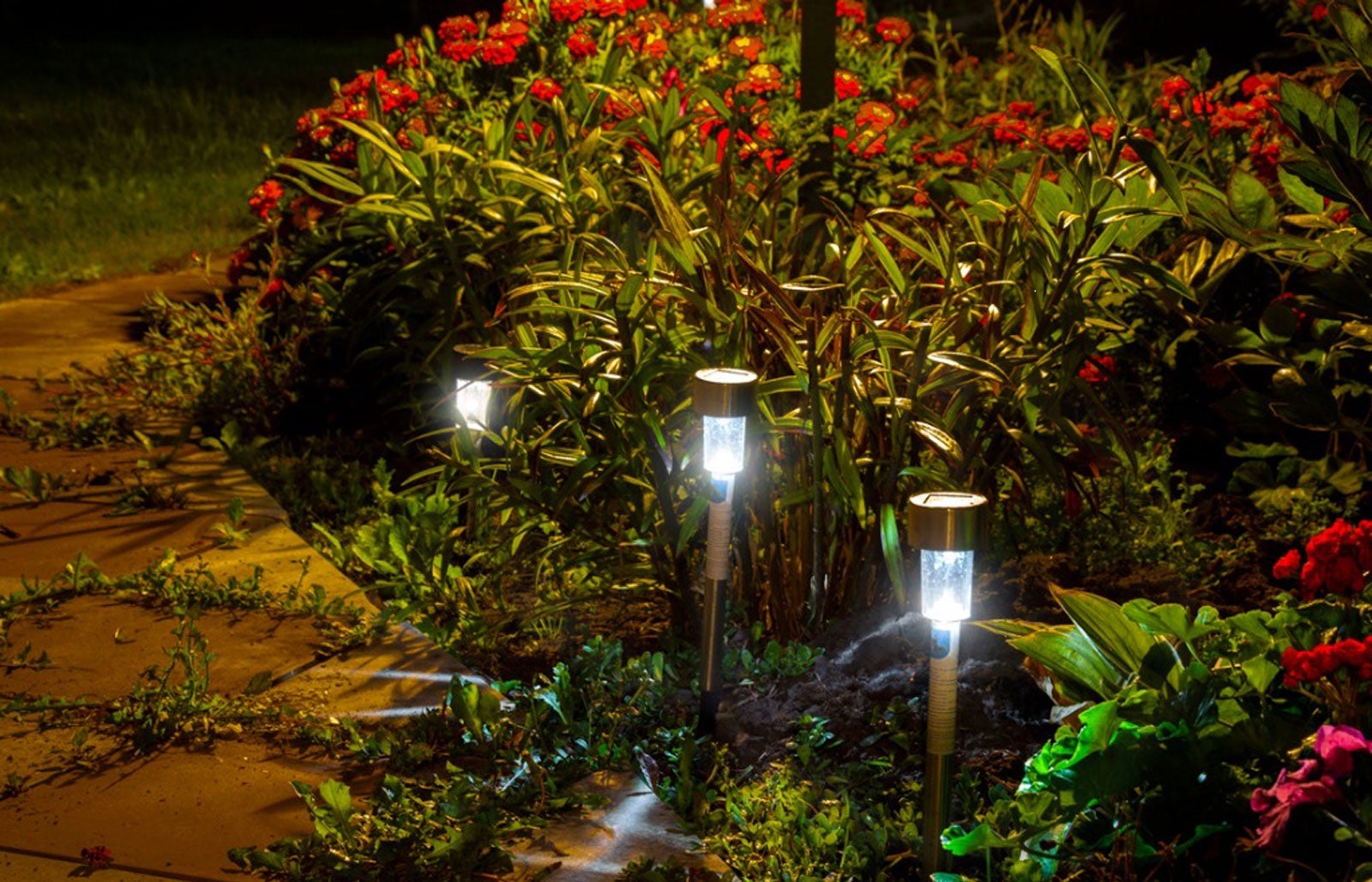
Solar-powered landscape lighting is a smart and eco-friendly way to brighten up outdoor spaces without increasing your energy bills. These lights harness energy from the sun during the day and automatically illuminate pathways, gardens, and driveways at night—no wiring or electricity required. Ideal for both residential and commercial properties, solar lighting not only reduces your carbon footprint but also adds aesthetic appeal and safety to your landscape. With options ranging from subtle garden accents to powerful floodlights, going solar is a sustainable step toward a greener, more energy-efficient outdoor environment.